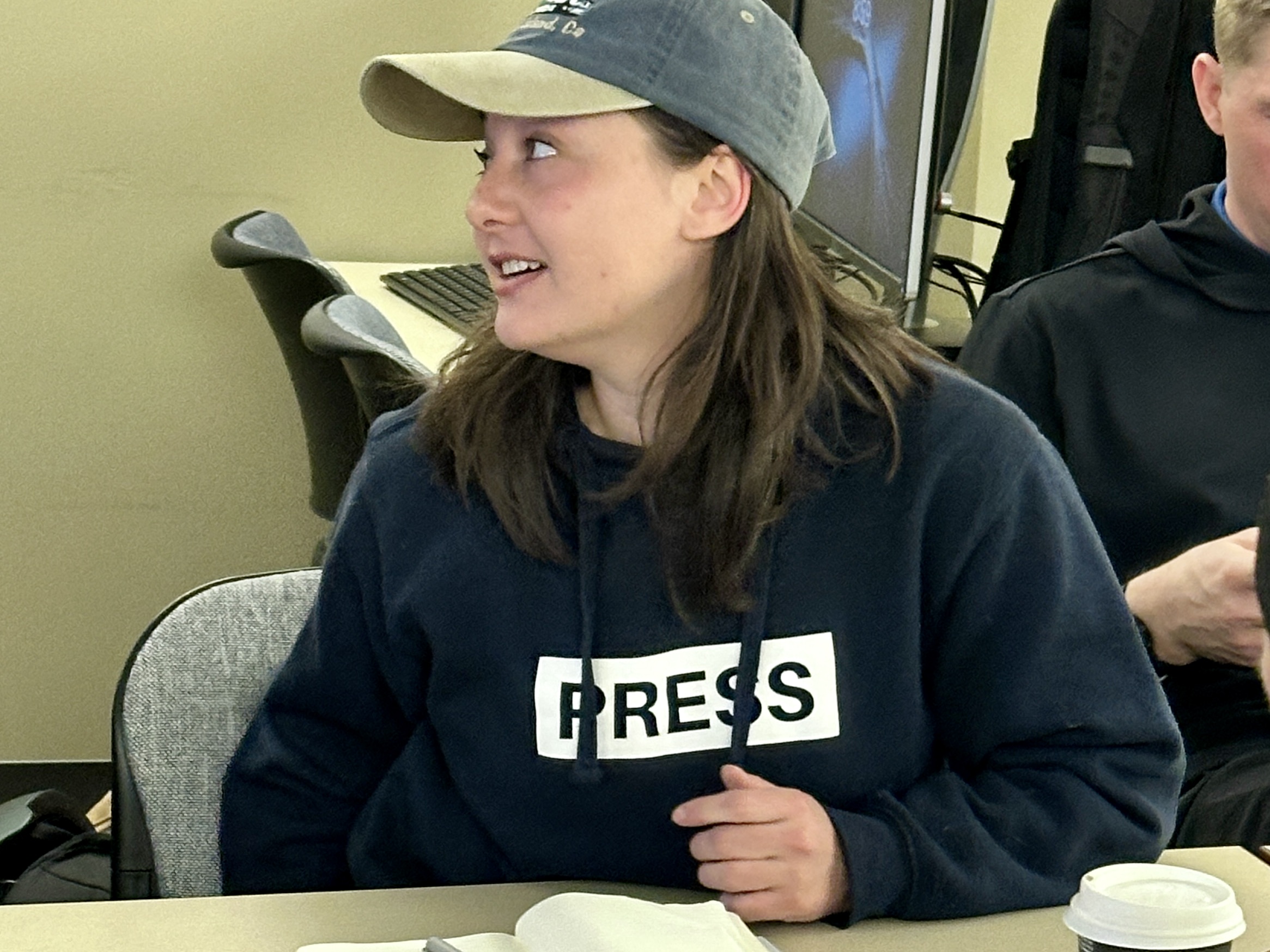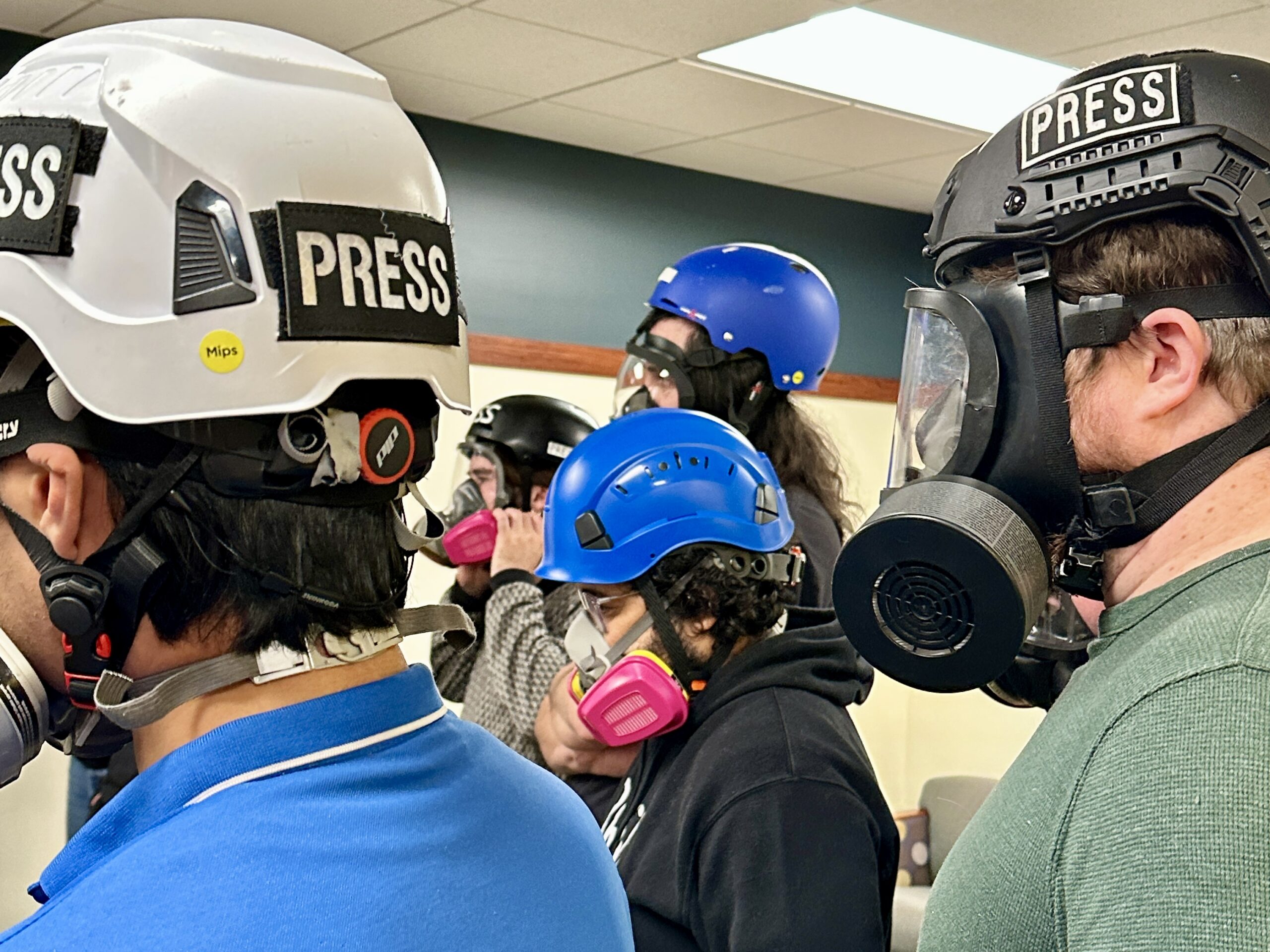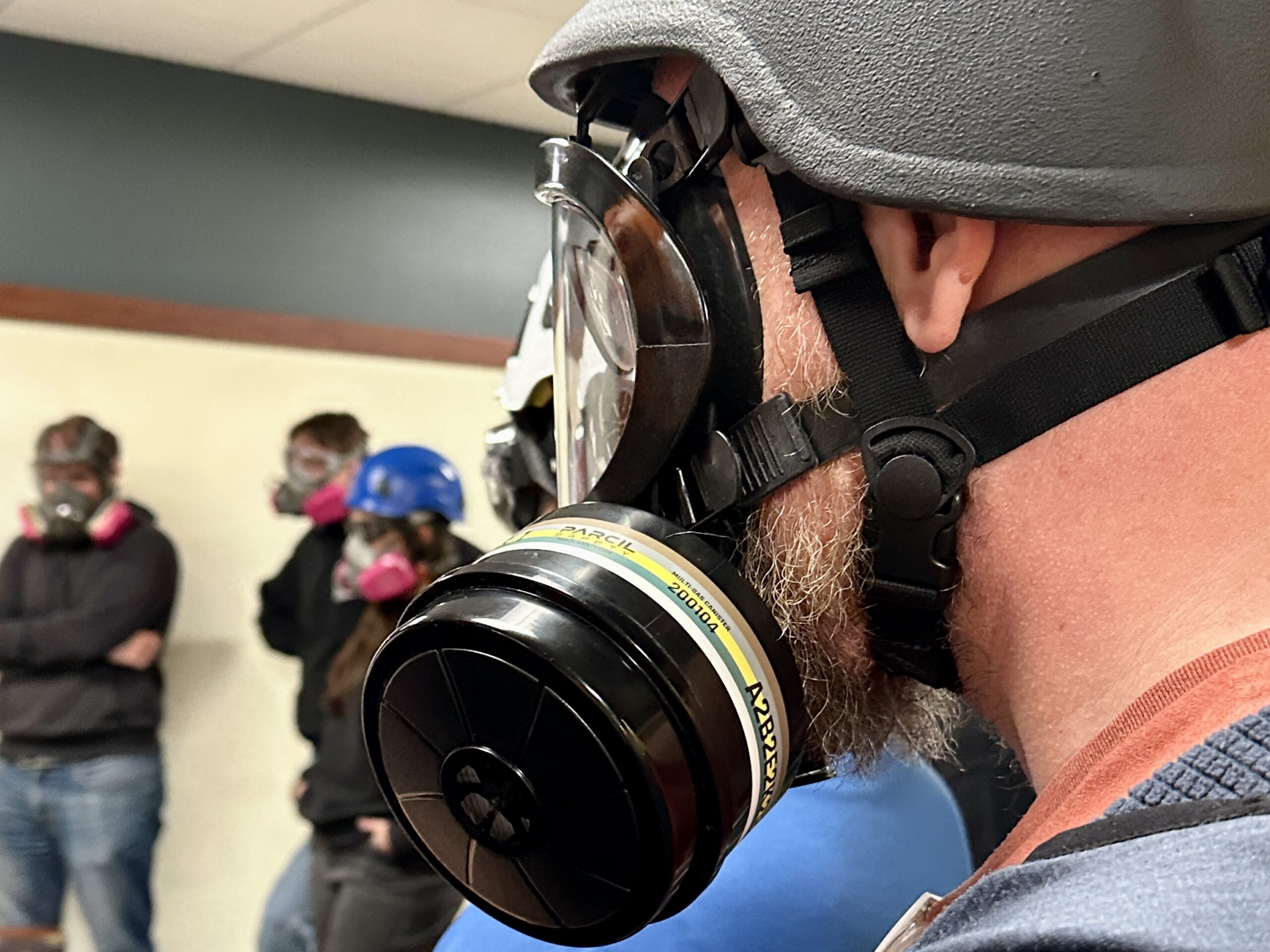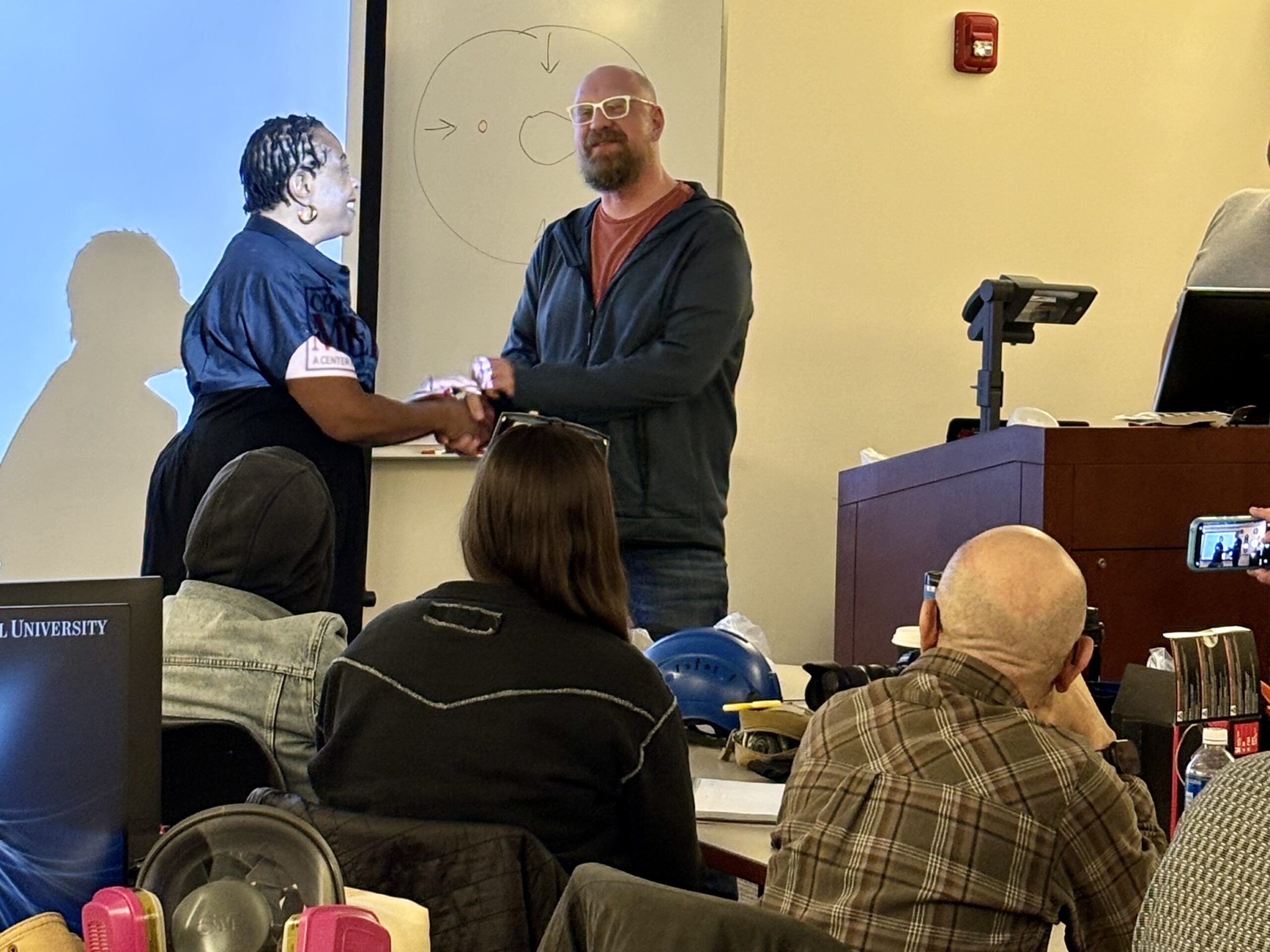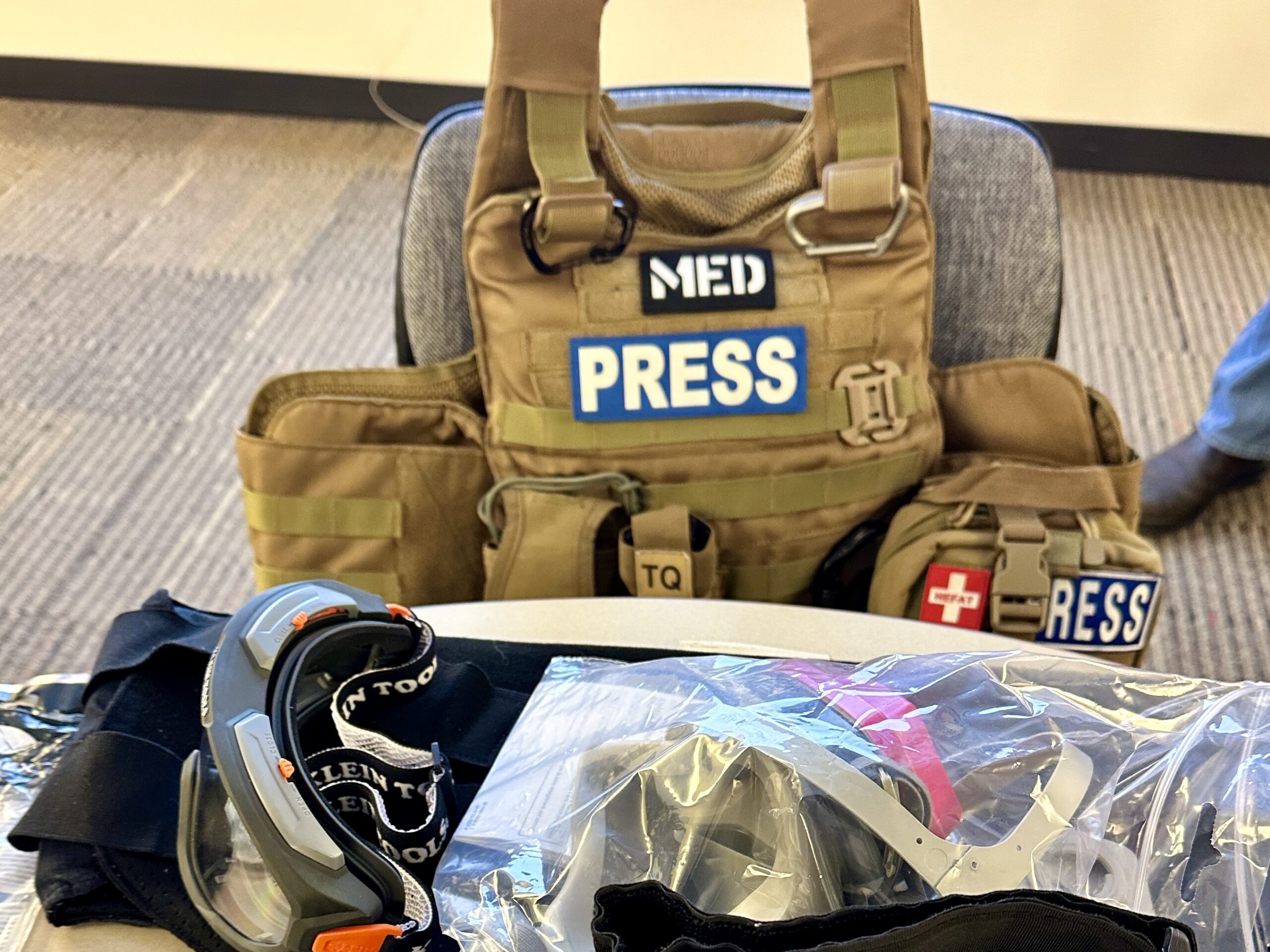

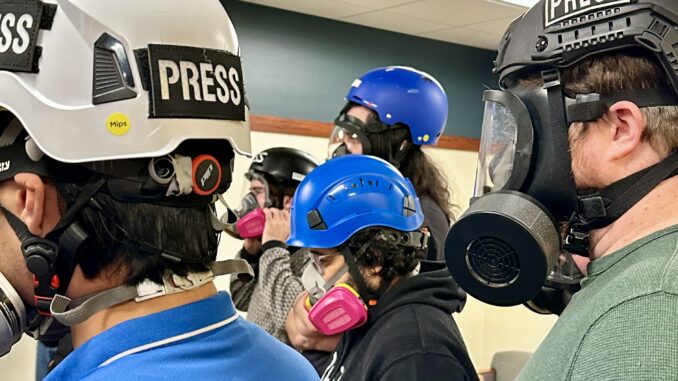
On March 23-24, the Chicago Headline Club and Foundation welcomed nearly two dozen journalists and trainers to DePaul’s downtown communications center for an intensive two-day Hostile Environment and First Aid Training (HEFAT) designed to prepare reporters and photographers to safely cover protests, civil unrest, and other high-risk assignments.
This training—part of the Foundation’s Essential Equipment Fund and generously funded by the Field Foundation—comes at a time when journalists are increasingly working in unpredictable environments, often without the institutional support or safety infrastructure that was historically available in larger newsrooms. The goal was straightforward: provide practical skills, build confidence, and ensure journalists are better equipped to do their jobs safely and responsibly.
Two Days of Hands-On Learning
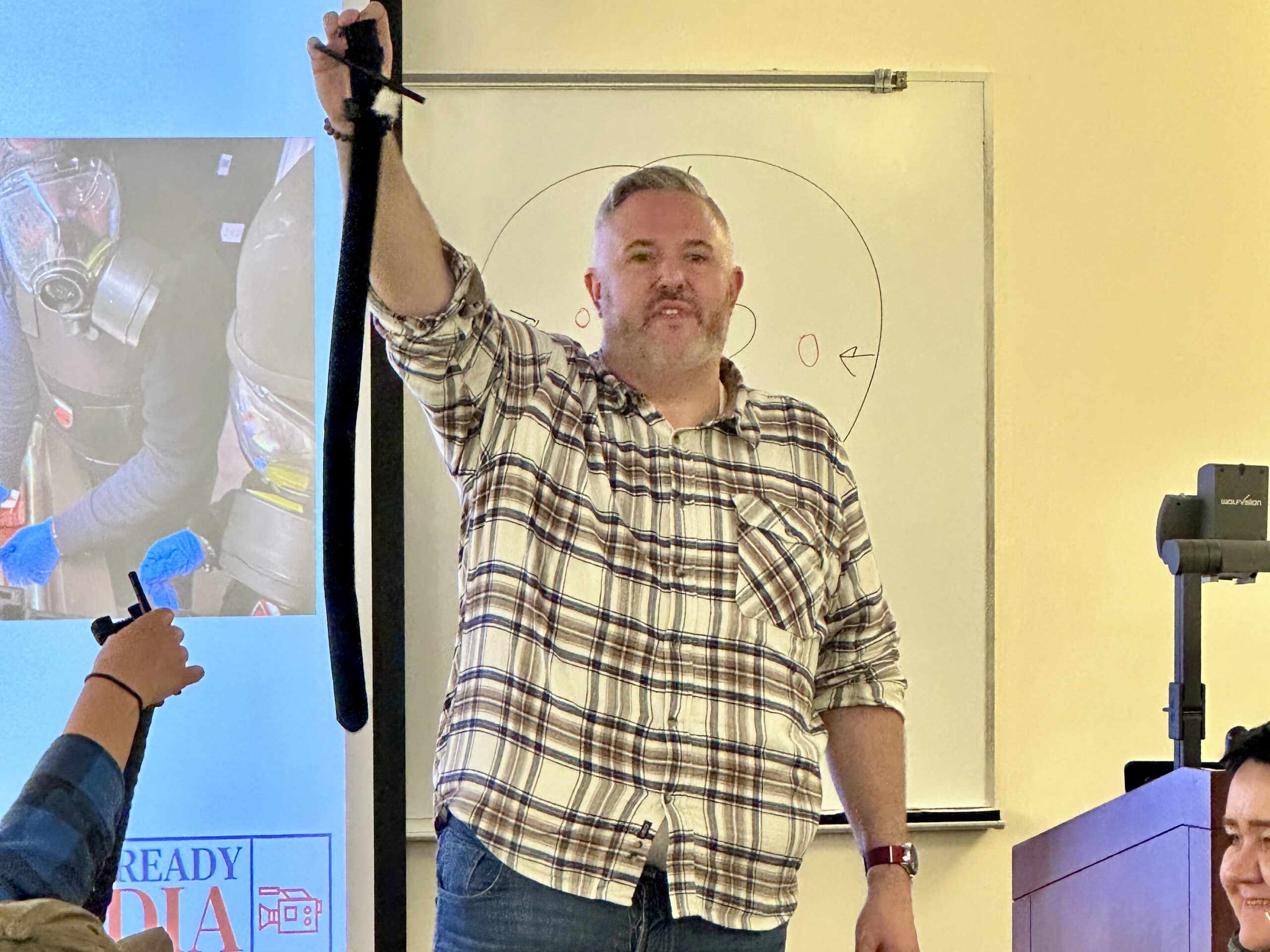
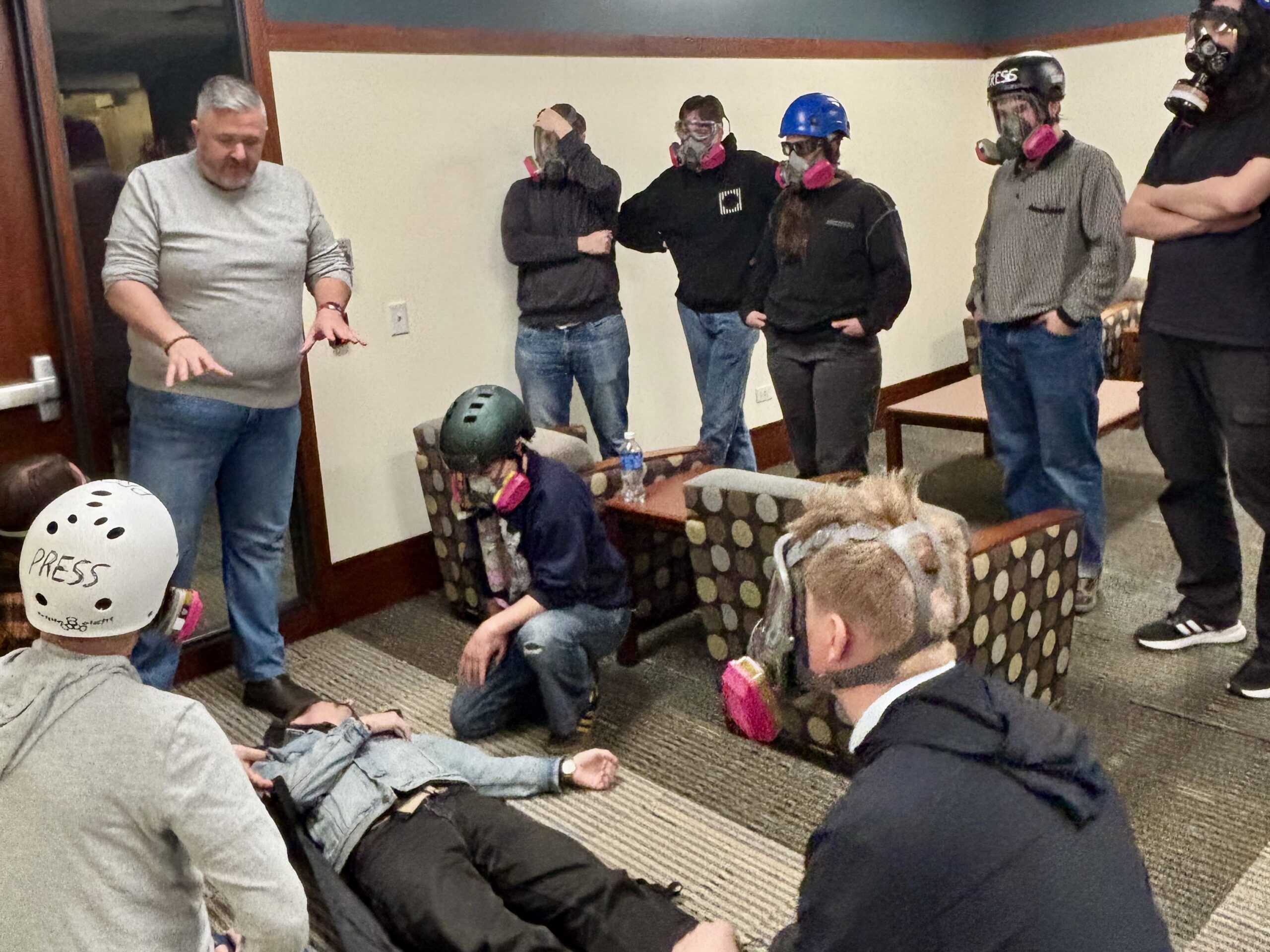
Led by Chris Post, co-founder of Crisis Ready Media, the training combined classroom instruction and open discussion with hands-on exercises across a number of real-world scenarios.
Training covered:
- Risk assessment and situational awareness
- Protest and civil unrest safety
- Arrest and detention scenarios
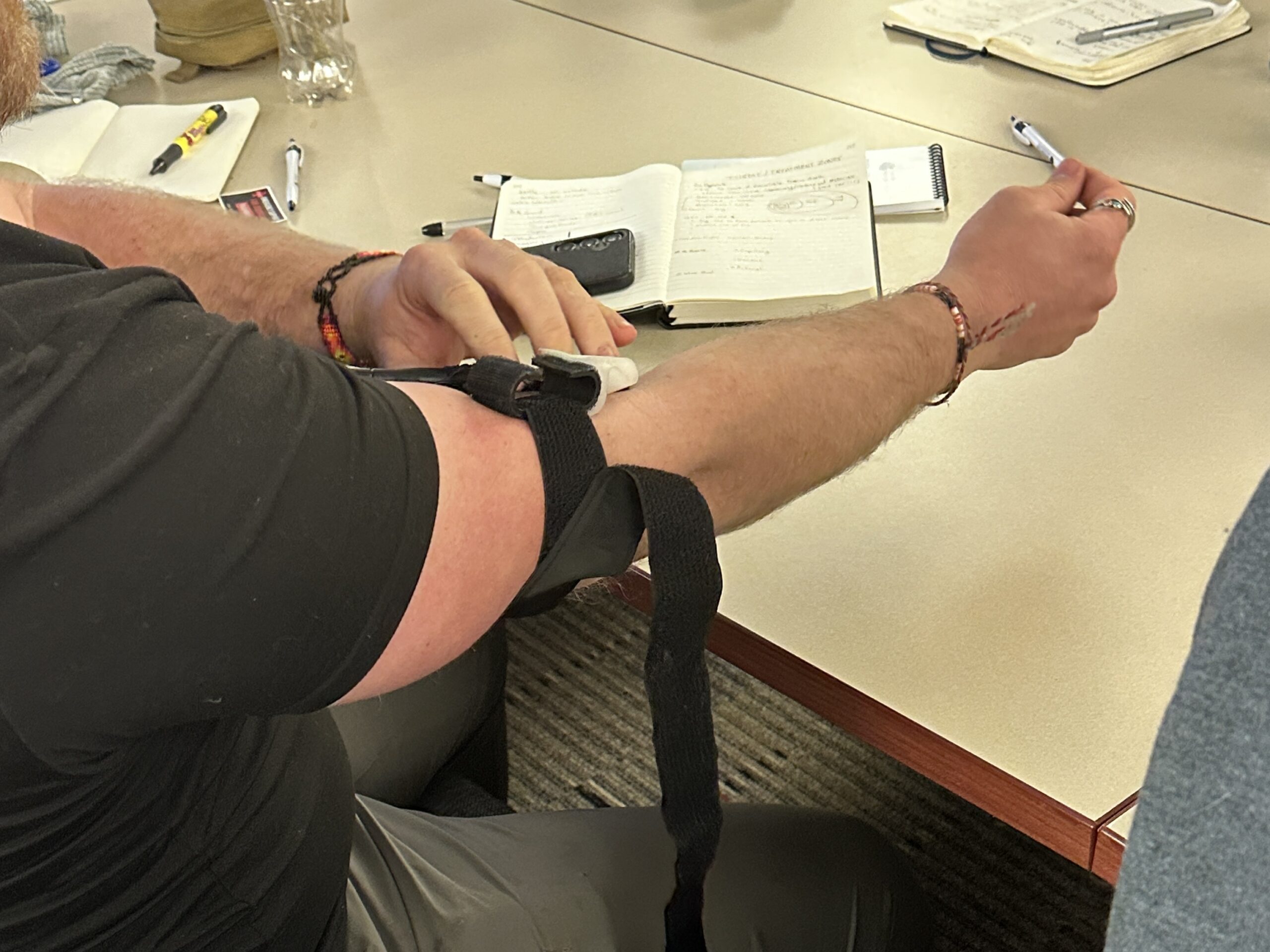
- First aid, including Stop the Bleed and trauma response
- Digital security and risk mitigation
- Mental wellness, resilience and psychological first aid
The sessions were immersive and highly interactive. Attendees were encouraged to stay engaged, ask questions and apply lessons in realistic scenarios—creating an environment that was both rigorous and collaborative.
Just as important, the training fostered a sense of camaraderie among participants. Over two full days, journalists shared experiences, compared challenges and built connections that will extend beyond the workshop itself.
Ethics as a Foundation for Safety
A key theme throughout the training was the connection between ethics and safety.
Post emphasized that journalists who operate transparently, act with professionalism, and adhere to established ethical standards are often better recognized as members of the press and less likely to face escalation in the field. The principles outlined by the Society of Professional Journalists and the National Press Photographers Association are not theoretical—they are practical tools that can directly impact safety on assignment.
Expanding Access to Safety Resources
This training is part of the Chicago Headline Club and Foundation’s broader effort to reduce barriers to safety for working journalists—particularly freelancers and independent reporters with limited resources.
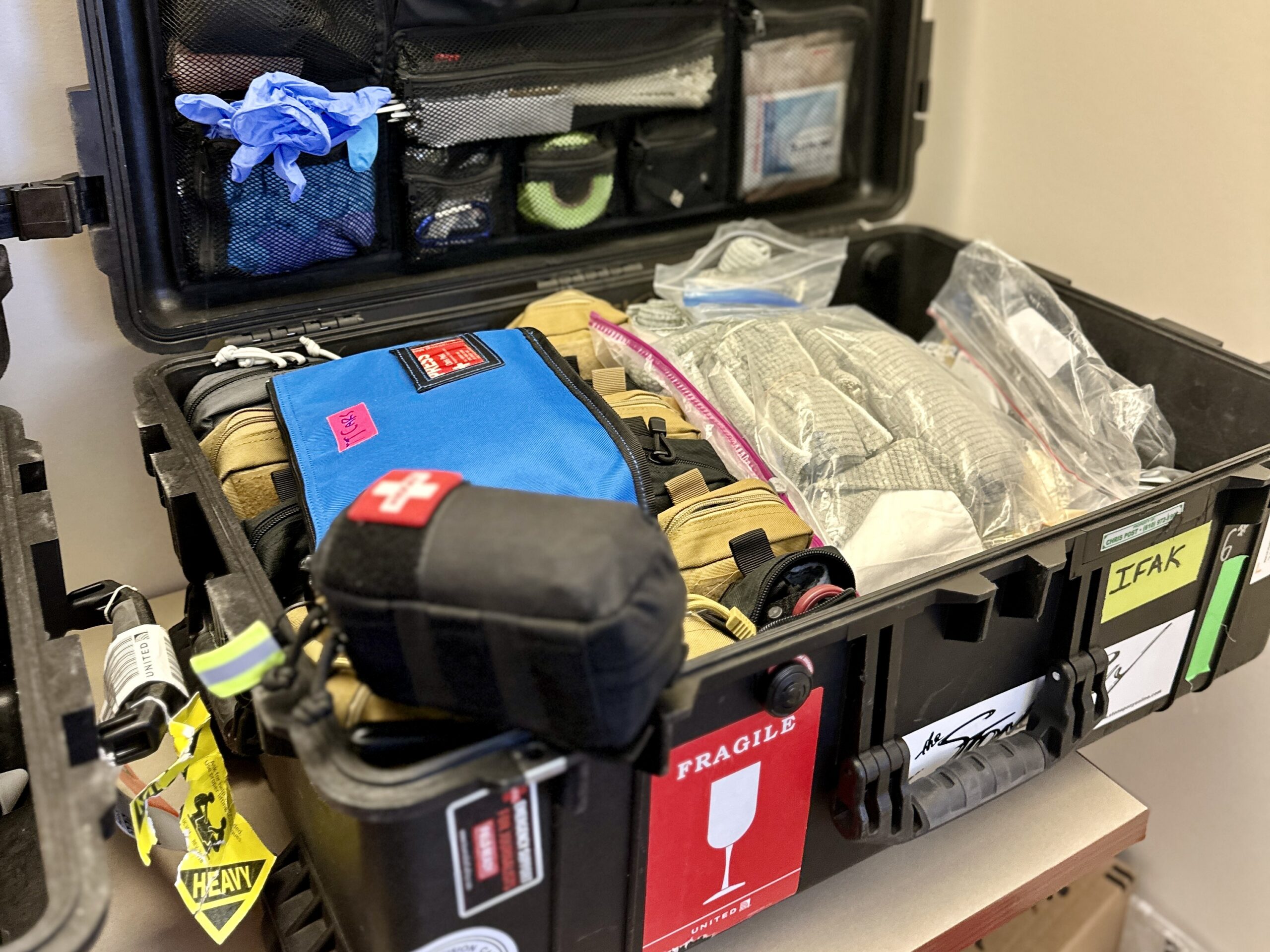
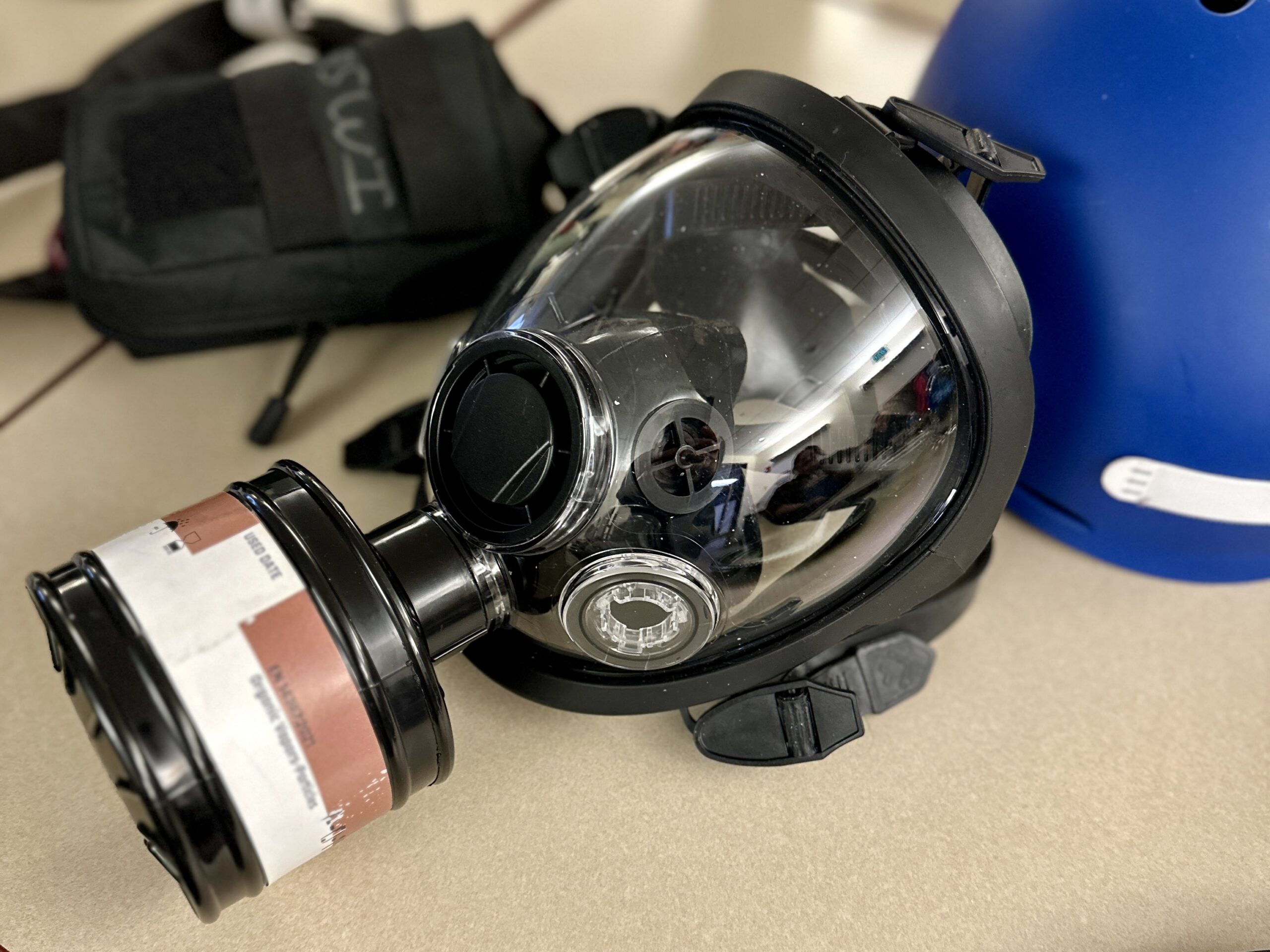
In addition to this training, the Foundation’s Essential Equipment Fund offers direct grants to help journalists purchase critical safety gear—from first-aid kits to protective equipment—thereby reducing financial barriers for freelancers and independent reporters working in high-risk environments.
Chicago-area journalists are encouraged to apply for this support to ensure they have the tools needed to report safely in the field.
A Collective Effort
This program would not have been possible without strong partnerships and support.
We extend our deep gratitude to the Field Foundation for its generous investment in journalist safety, making this training accessible to participants who might not otherwise be able to attend.
We are also grateful to the dedicated trainers from Crisis Ready Media, whose expertise, professionalism and commitment to journalist safety shaped every aspect of the program.
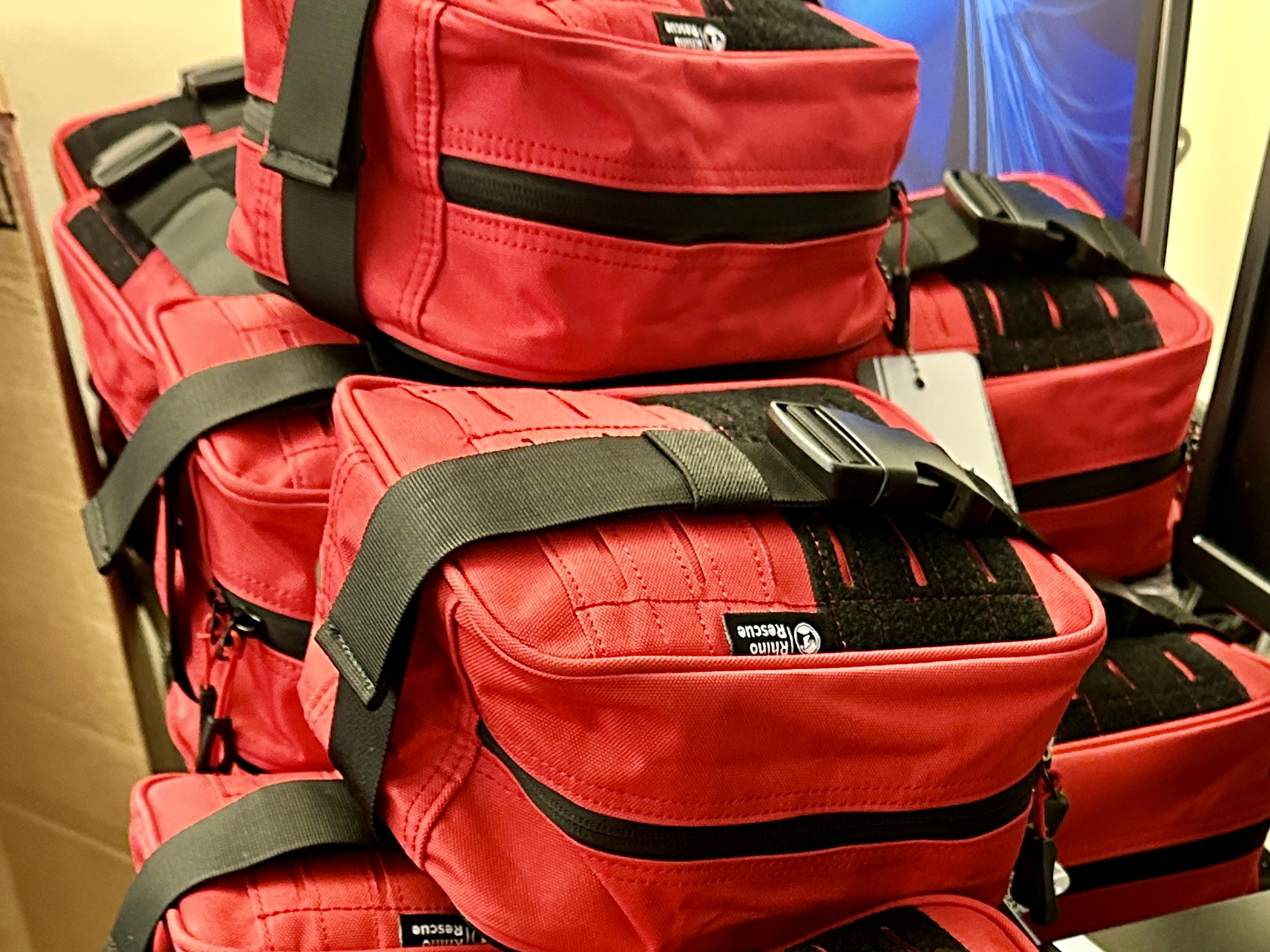
Additional thanks to DePaul University for hosting the training and to Reporters Without Borders for expanding ongoing support for participating journalists and providing attendees with first-aid kits.
Looking Ahead
The Headline Club and Foundation are committed to supporting journalists not only through advocacy and press rights work, but through practical, on-the-ground resources like this training and our Essential Equipment Fund.
As the reporting landscape continues to evolve, so too must the tools and support systems that keep journalists safe.
We’re proud to be part of that effort.